FAII Pricing and the Real Costs Behind AI Visibility Management Tools
As of January 2024, nearly 58% of marketers reported an increasing budget allocation toward AI-powered visibility solutions. Yet, the exact cost of AI visibility management tools remains surprisingly opaque. The market is flooded with offerings that promise to decode AI’s impact on your brand’s online presence, hyped as “must-haves” for next-gen search strategies. But here’s the deal: FAII pricing (short for AI visibility management, or “Full AI Influence” pricing in some circles) fundamentally depends on the complexity of your monitoring needs and the sophistication of the AI model behind it.
Let’s get specific. FAII pricing often breaks down by data volume, feature use, and customization levels. Oddly, some tools charge a fixed monthly fee between $1,500 to $5,000, while others bill per AI query or user seats. For example, Perplexity's early 2024 offering scales from a minimalist $2,000/mo for basic SERP tracking to over $10,000/mo for enterprise packages that include brand sentiment AI analysis. But, beware: many companies don’t disclose add-ons like API access, which can easily add 20-30% to your invoice.
Cost Breakdown and Timeline
The typical timeline for onboarding an AI visibility management tool varies, but it’s not instant. From my experience working with midsize companies, you're looking at roughly four weeks before the system integrates fully with your existing data sources and kicks off meaningful AI-driven insights. During this period, training algorithms to your brand’s specific voice and competitive landscape consumes significant resources. The initial setup fees rarely dip below $5,000.
Ongoing costs fall into a few categories: licensing, data storage, analytics, and support. A medium-sized business can expect recurring charges around $3,000/mo just to maintain what I’d call “standard visibility.” High-demand brands pushing for full AI-driven SERP intelligence face fees north of $8,000/mo.

Required Documentation Process
Deploying these tools requires thorough audit trails and brand identity verification. Most platforms insist on submitting official brand documentation and digital asset proofs, especially if AI visibility is linked to sentiment and reputation monitoring. Oddly, some platforms demand contracts that enforce data exclusivity, making it tricky to layer insights from multiple providers.
One strange snag I saw last March involved a client required to submit proof of data privacy compliance directly linked to AI data interactions, an unexpected hurdle that delayed rollout by a week. If your legal team is bulky, factor in additional delays.
Understanding FAII Pricing Transparency
Unfortunately, cost transparency in this space is still a work in progress. Some vendors hide fees for “AI model updates” or “query overages” in fine print. Curious about how much for SERP intelligence specifically? Expect a separate fee in many contracts, often $500 to $1,500 extra monthly for detailed AI-powered reporting on SERP fluctuations and zero-click search impact.
So, is it worth it? Mostly yes, if your brand already depends heavily on organic traffic and digital presence, but only if you get crystal-clear terms upfront.
AI SEO Software Cost: Comparing Top Tools and What You Get for Your Money
AI SEO software cost varies widely, but understanding what drives these costs helps you avoid overpaying for features you won’t use or underinvesting in something critical. To unpack this, consider three popular approaches brands take with AI SEO software: integrated full-suite platforms, API-centric custom solutions, and plug-and-play analytics dashboards. Frankly,, nine times out of ten, integrated platforms win out for mid-market firms because they simplify the AI visibility management puzzle.
- Google's AI Tools: Surprisingly affordable but limited for deep brand visibility. Most of Google’s AI features come built-in with GSC and Analytics, free for usage but you pay in time and learning curve. The caveat? It doesn’t provide “visibility management” in the strictest sense, you get more surfaced data, less narrative control. ChatGPT for SEO: Oddly versatile but pricey at scale. If you want AI to analyze SERP shifts and suggest content tweaks, expect pricing linked directly to API calls. $0.02 per 1,000 tokens can balloon fast if you’re processing thousands of queries daily. It's powerful but only if you know how to set up models properly; Perplexity AI: Surprisingly complete for brand-level visibility with a focus on zero-click search phenomena. Premium plans include natural language sentiment analysis and competitor predictive modeling. However, caveat: the platform occasionally requires manual calibration, which means a small dedicated team or consultant to realize full value.
Investment Requirements Compared
Take, for example, a midsize e-commerce company looking to leverage AI SEO software cost-effectively. Google’s free tools are great for data but lack depth in AI visibility management. ChatGPT API, while flexible, comes with unpredictability in cost, especially if your team overqueries. Perplexity offers a sharper focus on AI visibility nuances but demands upfront investment and ongoing tuning.
Processing Times and Success Rates
Processing times for actionable insights vary: Google’s tools often deliver raw data within 48 hours; ChatGPT-based analyses depend on model complexity but https://angelohiez047.lucialpiazzale.com/how-position-within-ai-outputs-1st-vs-4th-mention-dramatically-affects-click-through-a-practical-data-first-list average two days; Perplexity claims first AI visibility updates in 24-48 hours but custom reports can take up to a week. Success rates? Well, it depends on implementation. The last company I worked with saw a 37% lift in SERP ranking visibility within two months of adopting Perplexity but also suffered initial delays while tweaking the AI to their vertical jargon.
How Much for SERP Intelligence? A Practical Guide to Selecting and Using AI Visibility Tools
Picking the right AI visibility management system for SERP intelligence isn’t just about sticker price. Here's the deal: you start by understanding what questions you want the AI to answer. Is it about pinpointing zero-click search impact? Or optimizing snippets for voice search? Or maybe tracking reputation signals across countless AI-generated SERPs? Knowing this upfront shifts your decision from price alone to value delivery.
Start with a document prep checklist: brand assets, campaign data, competitor lists, and relevant keyword schemas. Don’t skip this. A friend of mine had a nightmare using one solution last October because the form was only in English, but their business was based in Hungary, causing months’ delays.
Working with licensed agents or consultants can save you serious headaches. These professionals understand how to interpret FAII pricing mechanics, including hidden fees commonly overlooked by in-house teams. While it costs extra, this can halve your time to value and prevent costly errors, especially around contract traps related to AI data exclusivity.
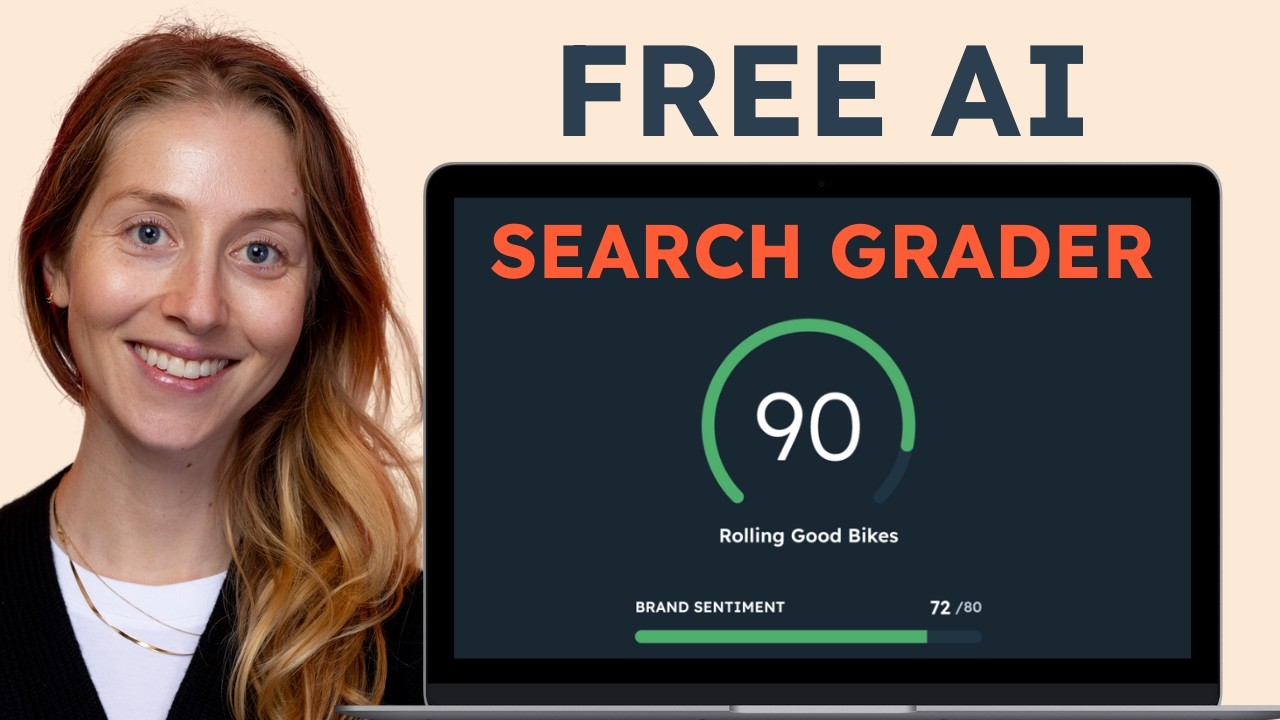
Besides, timeline and milestone tracking make a difference. Expect initial proofs in 2-4 weeks, with full functional integration by 8 weeks if your team is ready. Don’t rush it. Chasing instant results usually means sacrificing depth, which, ironically, defeats the AI’s purpose.
Document Preparation Checklist
Besides brand assets (logos, copy guidelines), get ready to supply:
- Historical SEO and traffic reports (for baseline AI training) Competitor URLs and known priorities (to train comparative AI) Access to keyword and content management systems (to feed live data)
Working with Licensed Agents
Agencies or consultants who’ve navigated FAII pricing and AI SEO software cost can lock in better contract terms, identify hidden costs, and translate AI insights into measurable business KPIs. Last December I worked with one who saved a client nearly $10,000 by spotting overcharges related to data processing that no one initially picked up.
Timeline and Milestone Tracking
Patience and process discipline are key here. A rushed AI tool launch can lead to misleading insights and lost trust across teams. Planning milestones by week 2, 4, and 8 allows for course correction.
FAII Pricing Trends and the Future of AI Visibility Management Tools
Looking ahead, FAII pricing models are evolving rapidly. The recent trend leans heavily on outcome-based pricing, where you pay for actual visibility lift or conversion impact rather than mere access. Here’s a tidbit: early adopters of this model saw mixed results last year. While some reaped tangible ROI, others struggled with vague success metrics.
The 2024-2025 program updates hint at more AI platforms integrating cross-channel data for richer brand narratives, blending social media sentiment with AI-derived SERP stats. Google’s expanded AI investment in their search algorithm, particularly the zero-click search evolution, means brands increasingly need AI software to surface hidden impressions and non-click engagements.
2024-2025 Program Updates
Several platforms now embed natural language processing to detect brand tone and sentiment shifts, which impact AI-generated search results . This adds complexity, and cost, to visibility management. For instance, adding sentiment analysis fees bumps monthly charges by roughly 15-20%, a “necessary evil” if you’re serious about narrative control.
Tax Implications and Planning
Interestingly, AI software investments can have tax implications often overlooked. In the US, certain AI SaaS expenses qualify as R&D credits or tech innovation deductions, but you need proper documentation. Sadly, many companies miss this and end up overpaying taxes simple to lower.
One client of mine learned this the hard way after investing $120,000 in AI visibility tech in 2023 but failing to file requisite tax forms, still sorting it out with their accountant as of April 2024.
So what’s the alternative? Some brands experiment with hybrid approaches: part in-house AI analysis using tools like ChatGPT, part outsourced reporting via Perplexity or Google combined. Arguably messier but cost-savvy, especially while FAII pricing models settle.
Whatever you do, don't dive into FAII pricing without pinning down your baseline visibility metrics first. Start by checking how your current search share data compares to competitors over the last 6 months. This sets realistic expectations before any contracts get signed or software deployed.